Protect Your Investment with Expert Paint Correction Techniques
Paint correction is more than just a cosmetic fix for your vehicle; it’s a crucial step in maintaining its value and appearance. Whether you’re a car enthusiast or simply someone who wants their ride to look its best, understanding paint correction techniques can protect your investment. In this blog, we’ll delve into what paint correction is, why it’s essential, and how you can achieve flawless results.
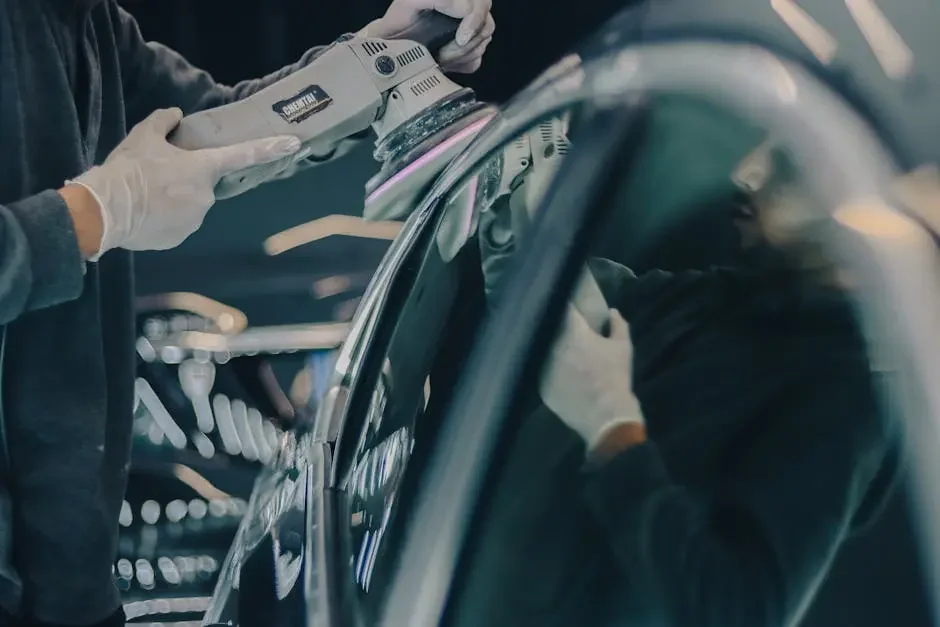
Understanding Paint Correction
Paint correction involves restoring and rejuvenating the paintwork of a vehicle. This process helps eliminate imperfections such as swirl marks, scratches, and oxidation, ensuring a smooth and shiny surface. But beyond merely cleaning the exterior, paint correction is about enhancing the overall quality of your vehicle's finish.
The techniques used in paint correction range from light polishing to more intensive correction procedures. Each method requires a specific set of tools, products, and skills to achieve the desired results. Learning about these techniques can empower you to decide whether to tackle the job yourself or consult a professional.
Moreover, understanding the importance of paint correction can lead to better care for your vehicle in the long run. Ignoring small defects today can lead to larger problems tomorrow, making it crucial to stay informed and proactive.
Why Paint Correction is Essential
Beyond aesthetics, paint correction plays a vital role in maintaining the integrity and longevity of your vehicle’s paint. It serves as a protective barrier against the elements, ensuring that your car not only looks good but also withstands harsh weather conditions.
One significant benefit of paint correction is its impact on resale value. A well-maintained vehicle attracts more buyers and can command a higher price. This aspect is often overlooked, yet it is a compelling reason to invest time and resources into proper paint care.
Additionally, paint correction can help foster your connection with your vehicle. Driving a car that gleams and looks its best can enhance your overall driving experience. When your car is a reflection of your pride and personality, it transforms from a mere mode of transport into a cherished investment.
Common Paint Defects and Their Causes
Your vehicle's paint can suffer from a variety of defects, and understanding these can be the first step to effective correction. Environmental factors like UV rays can dull the finish, while acid rain can lead to etching and degradation of the clear coat.
Furthermore, improper washing techniques, such as using rough materials or harsh chemicals, can create swirl marks and scratches. Recognizing the sources of these defects is crucial in preventing them from occurring in the first place.
Moreover, staying informed about common paint defects equips you with the knowledge to take action quickly. Whether it’s altering your car care routine or choosing the right products, your proactive measures can save you a lot of trouble—and money—down the line.
Step-by-Step Guide to Paint Correction
This section will provide you with a comprehensive guide on how to properly assess and correct paint defects. Start by washing your vehicle thoroughly; this step is essential to remove dirt and debris that can cause further scratches during the correction process.
Next, inspect your vehicle under good lighting. Use a bright LED light to illuminate the defects; this will allow you to clearly gauge what needs attention. Once identified, select the right tools and products suited for the type of paint correction you plan to carry out.
For example, if you’re dealing with light swirl marks, a dual-action polisher with a finishing pad and mild polish may do the trick. However, for deeper scratches, you might need a more aggressive approach using a rotary polisher and heavy compound. Always follow up with a protective sealant to safeguard your newly corrected paint.
When to Seek Professional Help
While some paint corrections can be done at home, recognizing when to consult a professional is key. If you're facing extensive damage, like deep scratches or severe oxidation, it's best to reach out to an expert who specializes in paint correction.
Professionals offer not only advanced techniques but also access to high-quality products that may not be available to the average consumer. Their expertise can save you time and ensure a finish that is both flawless and long-lasting.
Even if you're a DIY enthusiast, it’s worth investing in professional services occasionally. A well-timed professional correction can serve as a beneficial foundation for your own simple maintenance efforts, helping you keep your vehicle looking its best.
Maintaining Your Vehicle After Paint Correction
After you've completed the paint correction process, maintaining your vehicle is crucial for preserving that pristine look. The first step in maintenance is to wash your car regularly using proper techniques and pH-balanced soaps.
But it doesn’t stop there; applying a high-quality wax or sealant every few months will protect the paint from UV rays and contaminants while enhancing its shine. Regular maintenance is not just a chore; it’s an investment in your vehicle's long-term appearance.
Additionally, consider utilizing a detailing spray for quick touch-ups in between washes. This simple step can go a long way in maintaining your car's luster and ensuring that it always looks showroom-ready.
Final Thoughts on Paint Correction Techniques
Investing in paint correction not only enhances the aesthetics of your vehicle but also preserves its value over time. By employing the right techniques and possibly seeking expert help, you can ensure that your car continues to shine like new. Remember, your investment deserves the best protection.